Through the identification process, the competent authorities “research and assess the different circumstances according to which they can consider that a person is a victim of trafficking”[2]. In order to ensure adequate identification and follow-up of victims by all the authorized authorities and to have a single means of transmission, it is important to adopt a list of indicators making known, via information collected from the victim , the existence of objective factors determining that the person interviewed is a victim of trafficking.
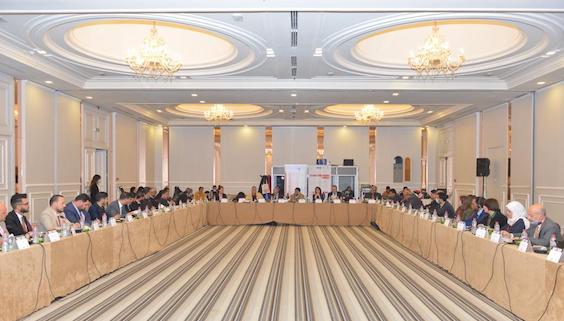
This workshop aims to bring together stakeholders in the fight against human trafficking in Libya, and more specifically in the detection and identification of victims, in order to jointly develop a list of indicators generic and specific that would allow these actors to have a standardized document that would help in the detection and identification of victims of human trafficking in Libya.

In this regard, it is worth highlighting the presence at this workshop of officials from the Libyan National Council for Civil and Human Rights, representatives of the Ministries of Justice, Interior, Defense and health authorities, as well as the General Prosecutor's Office, the High Council of the Judiciary, the High Committee for Children, the Customs Service and representatives of Libyan civil society with the participation of the Council of Europe, the organization No Peace without Justice, national and international experts and the Tunisian National Authority for the Fight against Human Trafficking.